
When “Limited Edition” Stops Feeling Limited, Mahindra’s Marketing Strategy Deserves More Transparency
The idea of a limited-edition vehicle has always carried a certain promise: exclusivity. Customers are often willing to pay a premium or make quick purchase decisions because they believe they’re buying something that only a select few will ever own.
That is why automotive manufacturers must be extremely careful with how they use the term “limited edition.”
Mahindra’s BE 6 Batman Edition generated significant excitement when it was introduced as an exclusive offering with a restricted production run. Many buyers understandably believed they were purchasing a genuinely rare version of the vehicle. However, subsequent developments including options that effectively expanded access to the special edition left some enthusiasts questioning whether the original promise of exclusivity had been diluted.
Mahindra later introduced a full buyback option for the first 999 owners of the BE 6 Batman Edition following criticism from customers and enthusiasts. The backlash stemmed from the company’s decision to release a second batch of 999 units after initially marketing the vehicle as a limited edition of 999 units. As a result, the total production increased to 1,998 units, leading many early buyers to feel that the exclusivity they had paid for had been compromised.
However, many would argue that this was not an entirely fair solution, as it placed the responsibility on early buyers to either surrender the vehicle they had specifically purchased for its exclusivity or accept that the original promise of rarity had been diluted.
More recently, Mahindra also introduced a special Scorpio-N edition with relatively little prior publicity. Now, with another announcement reportedly expected around August 15, enthusiasts are once again wondering what another “exclusive” edition or vehicle is on the horizon.
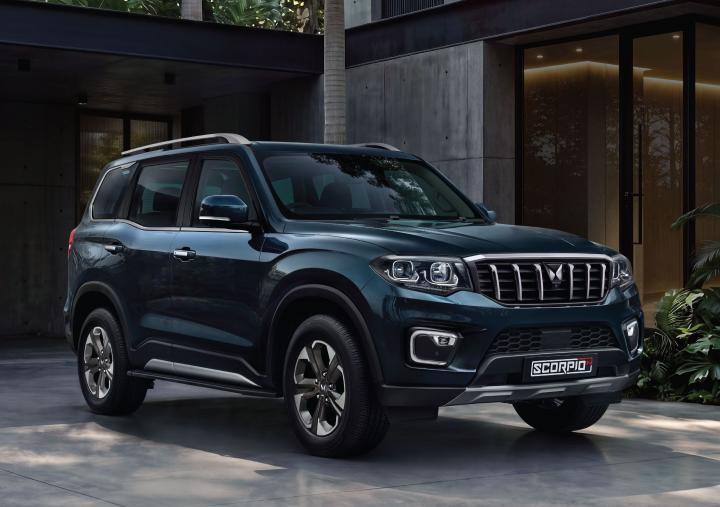
There is nothing wrong with launching multiple special editions. Manufacturers have every right to keep their product lineup fresh and exciting. The concern arises when exclusivity itself becomes a marketing tool that appears flexible after customers have already committed to a purchase.
The automotive industry relies heavily on trust. When buyers believe that a vehicle is genuinely limited, they often make faster decisions, stretch their budgets, or choose one model over another. If similar opportunities continue to appear shortly afterward, some customers may feel that the urgency they experienced was created more by marketing than by actual scarcity.
This is not merely about one special edition. It is about customer confidence.
Collectors and enthusiasts value authenticity. If a company says a model is limited, customers should be able to rely on that statement without wondering whether another nearly identical edition will arrive a few months later.
Marketing is an essential part of the automotive business, but so is consistency. Limited editions should remain genuinely limited, or manufacturers should clearly explain the scope of future special editions so buyers can make informed decisions.
Mahindra has earned a strong reputation for building desirable SUVs and EVs. That reputation has been built on capable products, engineering, and customer loyalty not just clever marketing campaigns. Preserving that trust is far more valuable than creating short-term excitement through perceived scarcity.
As the industry evolves, customers are becoming increasingly informed. They appreciate innovation, but they also value transparency. In the long run, honest communication creates stronger brand loyalty than repeated surprises around “exclusive” editions.
The hope is simple: let special editions feel truly special. When exclusivity means exactly what customers believe it means, everyone benefits the manufacturer, the enthusiast community, and the brand itself.